


US midterm verdict: What Democratic control of Congress means for India and the world
Arti Bali
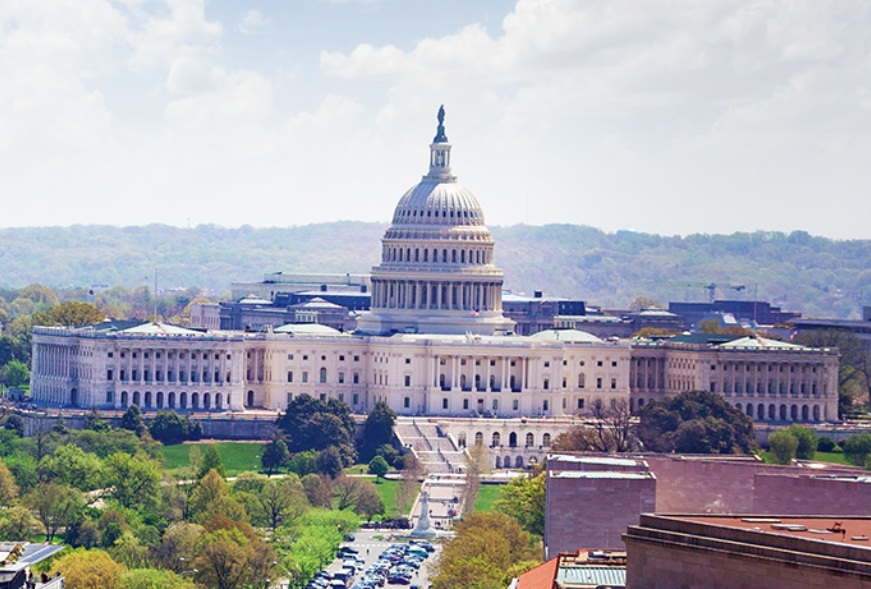
New Delhi, Nov 4 (UNI) The Democratic Party's sweeping victory in the US House of Representatives and the Senate is likely to reshape the political environment in Washington, with multiplier impact extending beyond America's borders.
For countries including India, the outcome raises questions over trade, immigration, strategic cooperation and US involvement in conflicts in Europe and West Asia. As regards with Foreign policy, President Donald Trump remains commander-in-chief and retains broad executive authority over diplomacy and military operations.
The newly elected lawmakers will not assume office until the 120th Congress officially convenes on January 3, 2027.Trump has full two months to push his agenda But a Democratic-controlled House and Senate will have greater influence over legislation, government spending, arms and foreign assistance, oversight hearings and the political debate surrounding the administration's decisions. Ukraine may find a more sympathetic audience on Capitol Hill, but a Democratic majority does not guarantee any particular level of military or financial support. The size, conditions and oversight of aid will be negotiated between Congress and the White House, and shaped by events on the battlefield and the prospects of a settlement with Moscow.
A Congress more critical of the president could scrutinise peace talks and sanctions policy more closely, particularly any deal seen as favouring Moscow. But Democrats are divided over the cost and goals of overseas commitments, which could limit how united their approach is. The election shifts the political pressure in Washington; it does not decide the course of the war. Another issue is the Iran war and its effect on energy prices are among the grave concerns that is the major reason for the Senate control going to Democrats.
A Democratic Congress is likely to demand closer scrutiny of the administration's objectives, the legal basis for military action, its costs, and the risks of a wider regional conflict. But, again, the president retains substantial authority to direct military operations. The outcome is therefore more likely to produce sharper scrutiny and political debate than an immediate change in US policy.
Trump appears determined to launch an attack on Iran, driven partly by his failure to secure an agreement over the Strait of Hormuz and his inability to declare a victory in the conflict. As far as Israel is concerned, Trump has given a clear-cut signal that the United States is cutting off $4 billion in aid to Israel at the end of the year because "they don't need it."
Democratic lawmakers view military assistance, civilian protection, the conduct of the war, and the conditions attached to US support. A Democratic majority could provide more space for hearings and debate over arms transfers and humanitarian concerns. It would not automatically end American support for Israel, nor would it necessarily produce a single, consistent Democratic position.
For India, the most immediate areas to watch are trade, technology, immigration and defence cooperation. New Delhi and Washington have built a broad strategic partnership over successive administrations, based on shared interests in the Indo-Pacific, defence, critical technologies, supply-chain resilience and concerns about China's growing influence. Those interests are likely to endure, even as political disagreements emerge over tariffs, market access and other economic issues.
The Democratic Party has secured control of both the House of Representatives and the Senate, establishing a significant legislative counterbalance that could reshape US immigration policy during the final two years of Donald Trump's presidency. As Indian nationals account for more than 70 per cent of all approved H-1B petitions, congressional developments have a direct impact on India's technology sector and skilled workforce. Democrats may challenge some restrictive measures or seek changes to the immigration system, but a change in congressional control does not automatically alter H-1B visa rules, green-card backlogs or border enforcement.
The administration retains important executive powers, while major statutory reforms would require agreement across the political divide. Trump's tariff decisions and trade policy will be under closer examination. That may create opportunities for debate over the costs of trade barriers and the impact on American businesses, consumers and partners such as India.
However, Congress does not automatically have the power to reverse every tariff imposed by the president, and any legislative effort would face political and legal hurdles. Indian exporters should therefore avoid assuming that the election will quickly remove trade uncertainty. Immigration is another issue with direct relevance to Indian citizens and the Indian-American community. Changes to visa rules, work permits and enforcement practices are likely to attract congressional attention, particularly where they affect technology companies, universities and skilled professionals. Countries across Asia, particularly those dependent on Middle Eastern energy supplies, are watching developments closely amid concerns that further escalation with Iran could disrupt oil supplies and push up global prices.
The US-China rivalry is also unlikely to ease, as both Democrats and Republicans broadly support a tougher approach towards Beijing. Meanwhile, traditional allies in Europe and the Asia-Pacific may continue diversifying their economic and security partnerships amid questions over Washington's reliability. South Asia, including India, Pakistan, Bangladesh, Afghanistan and Sri Lanka, is also likely to remain relevant to US policymakers on issues ranging from regional security and counter-terrorism to maritime stability and competition with China.
Although the Democratic victory marks a significant political setback for Trump, it does not necessarily signal an immediate shift in US foreign policy. Instead, it could lead to greater congressional scrutiny and a more contentious political environment during the remaining two years of his presidency.
UNI AAB RSA


