


'International system is broken', unable to address India-Pakistan tensions: Rubio
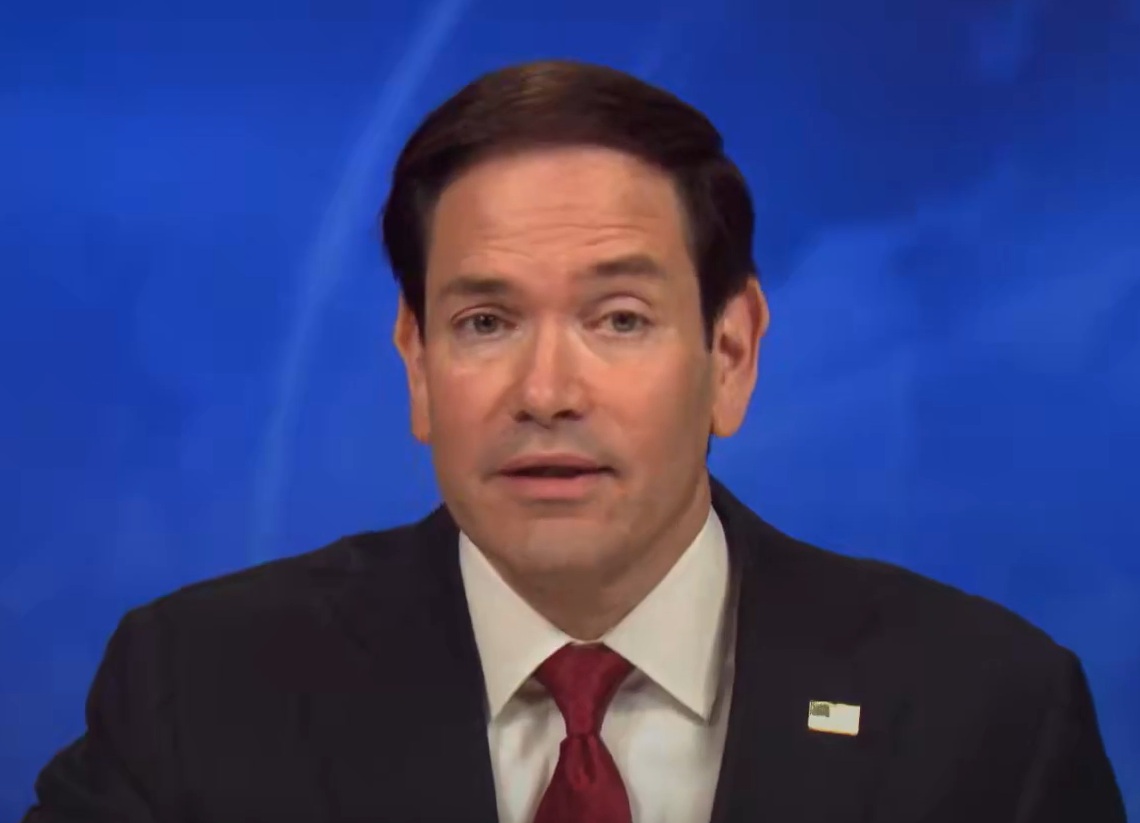
New York, Sep 24 (UNI) US Secretary of State Marco Rubio delivered a blunt verdict on the global order, saying the "international system is broken" and lacks the capacity to address or defuse major conflicts, including potential conflict between India and Pakistan, as he argued that countries will increasingly act in their own national interests. Rubio, speaking to reporters on the sidelines of the UN General Assembly, said there was a broad consensus among world leaders that the existing international system is failing to deal with major crises.
"I think the international system is not in good shape right now," Rubio said, adding that international norms ultimately face the limit of "your national interest." He said the United Nations had "tremendous potential" but is not living up to it, arguing that the system had "grown beyond its mandate" and is now involved in matters beyond its intended role. "It's unable to solve virtually any major conflict in the world," Rubio said, adding that there is "unanimity and consensus" at the UN gathering that the international system is failing. Rubio specifically cited a series of conflicts and flashpoints that, in his assessment, exposed the limits of existing international mechanisms.
"It would be great if we had a functional international system, for example, that could deal with a war between Thailand and Cambodia that occurred, or the potential conflict between India and Pakistan, or what's going in the DRC and Rwanda, or what's going on in Sudan, or what's going on with Iran in the straits," he said. "Right now, we don't seem to have a functional international system that can address it," Rubio added. His comments came amid heightened diplomatic activity at the UN General Assembly, where leaders have been debating the effectiveness of multilateral institutions and the ability of the international community to prevent or resolve conflicts.
Rubio said that when international mechanisms fail, nation-states will act according to their own interests, making clear that Washington under President Donald Trump would place US interests above the broader international order. "I want to be clear because this is not an attack on the international system," Rubio said. "At the end of the day, the United States will always act - at least as long as President Trump is in office - we will always act in the national interest of our country, not in the interest of the international order."
"We will never put the international order above the interest of the United States," he said. Rubio's remarks put the question of India-Pakistan tensions in the wider context of what he described as the breakdown of international mechanisms for conflict management, rather than presenting Washington as relying on a functioning global system to resolve such disputes. He also pointed to the wars and crises in Ukraine, Sudan, Yemen and the Middle East as examples of conflicts that have exposed the limitations of existing institutions.
On the India-Pakistan issue, Rubio did not announce a new US initiative or policy in the remarks, but used the potential conflict between the two South Asian neighbours as one of several examples of situations where he said the international system currently lacks the ability to respond effectively. The Secretary of State also defended the administration's broader approach of putting US national interests first, saying Washington still sees value in international institutions but believes they must return to what he described as their "proper focus and their proper role."
The comments came as Rubio addressed a wide range of global crises, including Iran's nuclear programme, the Strait of Hormuz, Russia's war in Ukraine, Venezuela, Cuba, Sudan and tensions in the Middle East. On Iran, Rubio reiterated that Washington's central demand was that Tehran "can never have a nuclear weapon", while saying the US remained open to a negotiated agreement. He said the United States would continue defending shipping in the Strait of Hormuz and maintaining pressure on Iran, while warning that President Trump had both economic and military options available. On Russia and Ukraine, Rubio said Washington remained open to efforts for limited ceasefires involving energy and grain, while stressing that such an arrangement would not itself end the war. "Ultimately, we all want this war to end," he said, adding that the conflict would not end on the battlefield but through a negotiated agreement.
Rubio's assessment of the international system came as the UN General Assembly was dominated by wars, geopolitical confrontation and disputes over the effectiveness of multilateral institutions, with his remarks underscoring the Trump administration's stated preference for national-interest-driven diplomacy over commitments to the broader international order.
UNI AAB IM


