


Rubio highlights energy ties with Reliance, says protests are India's internal matter
Ansari Aejaz Ahmed
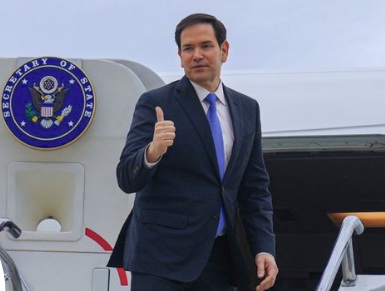
Mumbai , Oct 21 (UNI) US Secretary of State Marco Rubio highlighted the potential for deeper energy collaboration with the Mukesh Ambani-led Reliance Industries Ltd, as he wrapped up high-level meetings here on Wednesday before flying to the Reliance-owned Jamnagar petroleum refinery complex in the neighbouring state of Gujarat.
Speaking to media here at the Taj Mahal Palace Hotel in Colaba near the Gateway of India, Rubio emphasised the critical capacity offered by Reliance Industries, to process heavy crude petroleum from Venezuela. "This (Reliance Industries) is a very large and prominent energy company. They also have a pretty large investment already in the United States," Rubio said, noting that Reliance possesses unique infrastructure suited for processing Venezuelan heavy crude and that energy remains central to current geopolitical decisions.
Addressing broader diplomatic relations, Rubio expressed confidence that ongoing discussions with Indian business leadership would open up fresh avenues for strategic commercial partnerships across both nations. "I think through our conversations we'll hopefully identify other opportunities to partner and work together," Rubio added, stressing that while technical energy specifications remain under the purview of the U.S. Department of Energy, the trip provided a valuable opportunity to evaluate Reliance's global operational footprint.
When questioned about local opposition protests in Delhi and criticism from international observers regarding India's internal political climate, Rubio firmly rejected commentary on domestic affairs, contrasting India's democratic framework with authoritarian regimes. "It's a domestic political matter. I mean, I'm not going to get involved in their politics. I mean, they have - this is a democracy," Rubio stated, dismissing the criticisms by the United Nations (UN) and emphasising that public demonstrations reflect active civic discourse.
The US Secretary of State noted that the presence of an active political opposition is itself evidence of democratic expression, comparing the situation favourably vis-a-vis nations where political dissent is strictly outlawed. "In many ways, the fact that people are out there expressing themselves, is a sign that this is a country where there's political discourse," Rubio said, concluding that internal political matters remain solely for the Indian electorate to navigate. Taking questions about international security concerns, Rubio addressed controversial reports regarding SpaceX's Starlink satellite internet network in Ukraine, dismissing accusations that the US government ordered or coordinated service limitations for Ukrainian forces.
"The bottom line is that that is governed by a private commercial contract as to how their stuff can be used and what speeds they allow it to be used at," Rubio said, insisting that Washington neither directed nor had foreknowledge of private corporate decisions regarding commercial internet speeds over Ukraine. Reiterating Washington's steadfast backing for Ukraine, Rubio underscored that American military assistance has been fundamental to maintaining Ukrainian sovereignty since the conflict began.
"There would be no Ukraine today were it not for the assistance the United States has supplied Ukraine in the billions of dollars," Rubio said, adding that US diplomatic representatives are actively testing peace proposals with both Ukrainian and Russian officials to bring an end to the war. Regarding regional diplomacy in West Asia (Middle East), Rubio acknowledged mediation initiatives floated by third-party nations like Qatar and Pakistan toward Iran, but reaffirmed Washington's absolute red line regarding Iran's nuclear ambitions. "The United States will not support any deal that creates a pathway for Iran to ever have a nuclear weapon," Rubio stated, emphasising that any potential agreement must ultimately align with conditions set by the White House.
UNI AAA AAB


