


India seek redemption as West Indies eye T20I series triumph
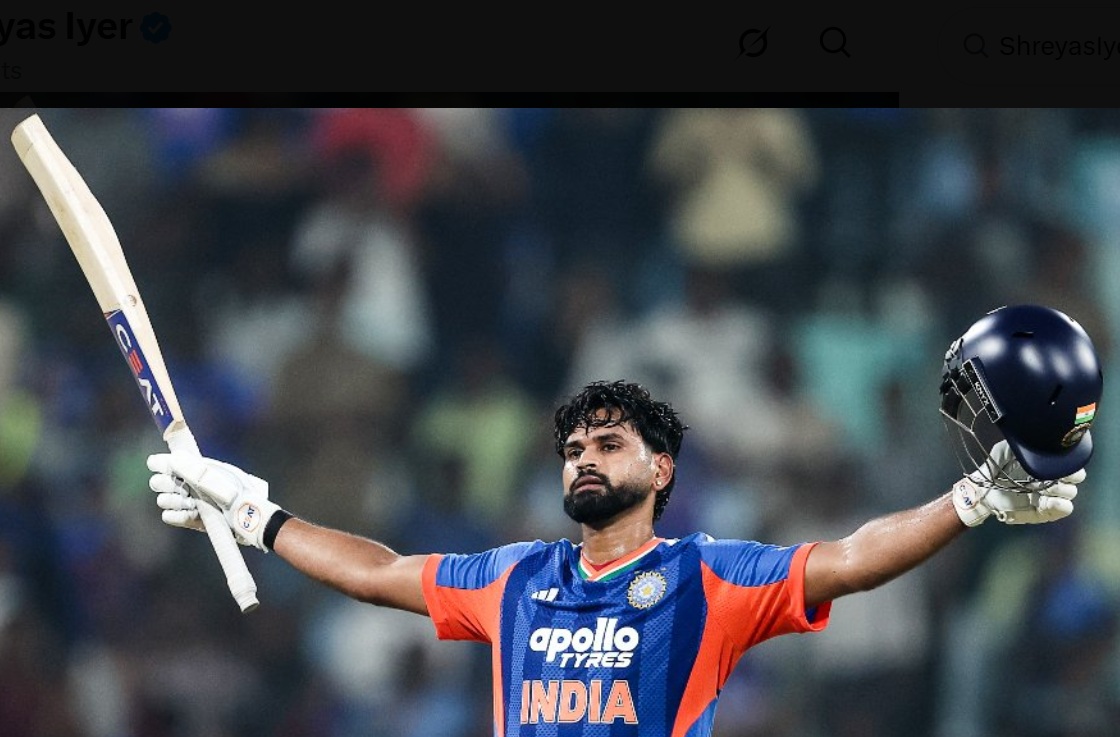
Bengaluru, Oct 16 (UNI) India's ability to turn a flying start into a match-winning chase, and their bowlers' capacity to stop an opposition from running away with the game, will come under the spotlight when they face the West Indies in the fifth and final T20 International here on Saturday.
With the series locked at 2-2, the fourth match in Hyderabad has given India plenty to ponder. West Indies' 24-run victory was not merely a case of one side scoring more runs than the other; it exposed the fine margins between attacking cricket and losing control of a chase. India began their pursuit of 248 with remarkable intent, racing to 60 without loss in the first four overs.
Sanju Samson's 56 off 23 balls put the hosts firmly in the contest, but the early momentum proved difficult to sustain once the opening partnership was broken. India eventually folded for 223 in 19.3 overs, leaving the visitors with a deserved victory. The lesson for India is not to abandon their aggressive approach but to complement it with better judgement. In a chase demanding more than 12 runs an over, boundaries are essential, but so is the ability to recognise when a single or a well-run two can keep the scoreboard moving without exposing another batter to unnecessary risk.
Tilak Varma's 43 and Nitish Kumar Reddy's 41 offered resistance, yet India could not find the partnership needed to take the contest deep. Against a formidable target, losing wickets in clusters is often more damaging than a temporary slowdown in scoring. West Indies, meanwhile, have found a potent combination of composure and power. Captain Shai Hope's unbeaten 102 off 50 deliveries in Hyderabad, following another unbeaten century earlier in the series, has provided the platform for their aggressive middle order. Sherfane Rutherford's 49 not out off 26 balls ensured that the visitors finished with a commanding 247 for three. For India's bowlers, the problem was not simply the number of runs conceded but the freedom with which Hope dictated the innings.
Containing a batter in such form requires more than a change of field or a search for a yorker; it demands consistent execution, variations in pace and the ability to deny easy scoring options. Keemo Paul demonstrated the value of that discipline in the fourth match, claiming five wickets for 41 runs. His strikes helped turn India's promising start into a procession of dismissals, while Gudakesh Motie also applied pressure by taking wickets at crucial moments.
The Chinnaswamy Stadium, with its compact boundaries and reputation for high-scoring contests, could again reward aggressive batting. But the venue will not necessarily favour the side that swings hardest. The team that manages its resources better, preserves wickets and executes its plans under pressure could hold the decisive advantage. India will also need to monitor the fitness of Arshdeep Singh, who was struck on the shoulder during the previous match, with his availability potentially affecting the balance of the bowling attack. Having won the first and third matches, India will be keen to regain control of the series. West Indies, after recovering from a 1-2 deficit, will believe they have the momentum to complete the turnaround. The decider may ultimately hinge on a familiar cricketing truth: aggression can win the powerplay, but sound judgement and disciplined execution are often what win the match.
UNI BDN


