


How third-party car insurance works and what it actually covers
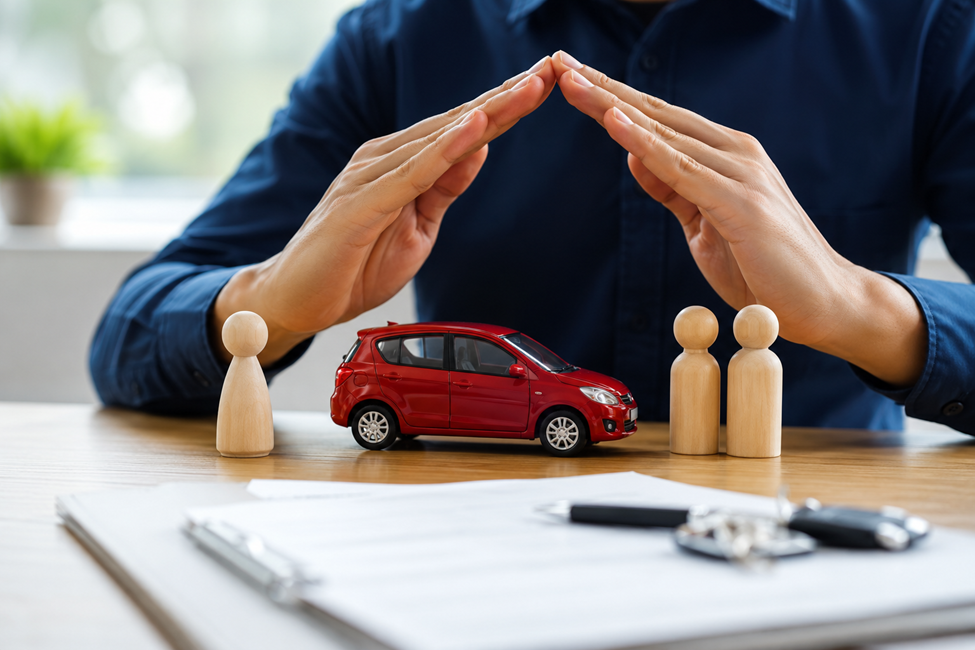
Buying car insurance is an important step towards protecting yourself financially while driving. However, understanding different policy types and what each one covers can be confusing. Among the most commonly purchased and legally required options is third-party insurance. Although many people have heard the term, not everyone fully understands how liability car insurance works or what protection it provides. Knowing what is included under a third-party insurance cover can help you make informed decisions and avoid confusion when filing claims.
What is third-party car insurance?
Third-party insurance is a type of insurance policy that protects you against financial liabilities caused to another person, vehicle, or property during an accident. In simple terms, if your vehicle accidentally causes damage to someone else’s property or results in injuries to another person, the insurer may compensate for the covered losses according to policy terms.
Unlike comprehensive policies, third-party insurance mainly covers damage to others rather than repairs to your own vehicle. Because of this, liability car insurance is often considered one of the most essential forms of protection for vehicle owners.
Why third-party insurance is important
Road accidents can happen unexpectedly, regardless of how carefully you drive. In situations where another individual suffers injuries or property damage, the costs of compensation can become financially overwhelming. This is where a third-party insurance cover becomes valuable. It helps reduce the financial burden associated with damages caused to another party and provides protection against legal liabilities resulting from accidents.
It is also mandatory in India for vehicle owners to have at least basic third-party car insurance. Driving without valid insurance may lead to penalties or legal consequences. Beyond legal compliance, this coverage offers reassurance by helping you stay financially prepared during unexpected situations.
How third-party car insurance works
The process of third-party insurance is relatively simple. If your insured vehicle is involved in an accident that causes injuries, property damage, or financial loss to another person, the affected party may raise a claim. The insurer then reviews the claim based on policy terms and applicable conditions before determining compensation.
Typically, liability car insurance may help cover:
- Bodily injuries suffered by third parties
- Damage caused to another person’s vehicle
- Property damage caused by the insured vehicle
- Legal liabilities arising from accidents
This ensures that you are not solely responsible for covering large financial expenses incurred by others after an accident.
What third-party insurance actually covers
Understanding what is included under a third-party insurance cover can help you avoid misunderstandings later.
Third-party bodily injuries
If another individual suffers injuries because of an accident involving your vehicle, third-party insurance may provide financial support for covered medical or legal liabilities. This may include pedestrians, passengers travelling in another vehicle, or individuals affected during the incident.
Damage to third-party property
Third-party insurance may also compensate for damage caused to another person’s property. This could include:
- Another vehicle involved in the accident
- Boundary walls or roadside structures
- Shops, buildings, or public property
Such coverage helps reduce unexpected financial pressure after accidental damage.
Legal liabilities
Certain accidents may result in legal claims or compensation demands from affected individuals. Liability car insurance helps you manage covered legal obligations arising from such situations, reducing stress during disputes or compensation proceedings.
What third-party insurance does not cover
While third-party insurance offers essential protection, understanding exclusions is equally important. Generally, a third-party insurance cover may not include:
- Damage to your own vehicle
- Personal injuries suffered by the insured driver
- Mechanical breakdowns or normal wear and tear
- Damage caused while driving under intoxication
- Claims involving illegal driving activities
Because of these limitations, many vehicle owners explore broader coverage depending on vehicle age, repair costs, and overall protection needs. To help customers better understand policy choices, insurers such as Zurich Kotak General Insurance increasingly support simplified digital experiences that allow you to compare options and choose suitable car insurance coverage based on your individual requirements.
Is third-party insurance enough?
Whether third-party insurance is sufficient depends on your driving requirements and financial priorities. For some older vehicles, third-party insurance coverage may be adequate because of affordability and legal compliance. However, if you own a newer or premium vehicle, you may prefer broader protection to help manage repair-related expenses more effectively. Evaluating your driving frequency, vehicle value, and financial preparedness can help you decide whether this level of coverage is enough.
Conclusion
Understanding how third-party insurance works is essential for making informed car insurance decisions. While liability car insurance mainly protects against damages caused to others, it also plays an important role in helping you manage legal and financial responsibilities after accidents. At the same time, understanding what a third-party insurance cover includes and excludes can help you avoid surprises and choose protection that matches your needs and financial priorities.
Disclaimer: The above press release comes to you under an arrangement with PR agency. UNI takes no editorial/ legal responsibility for the same.


