


PM Modi spotlights cultural diplomacy, wider worker protection and reforms on road to Viksit Bharat
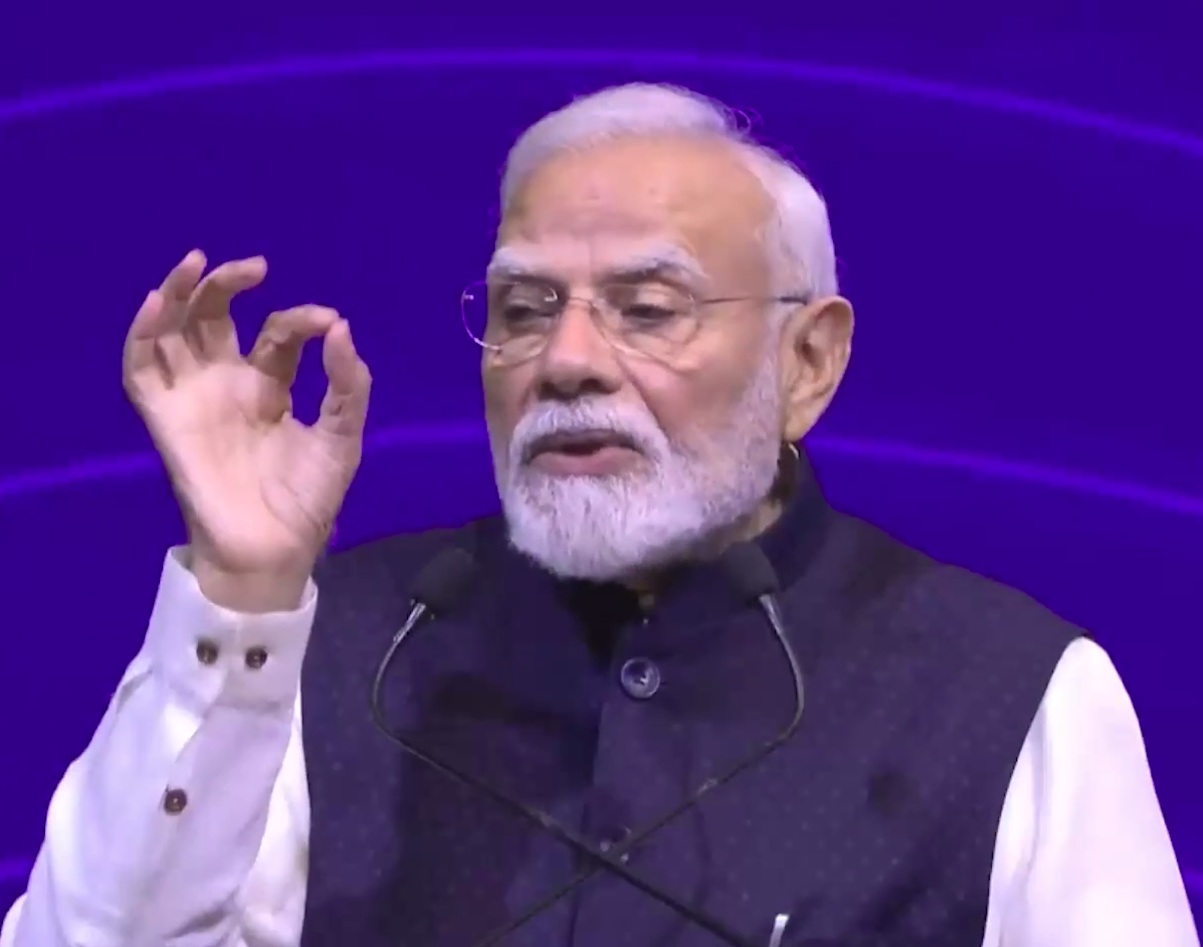
New Delhi, Nov 25 (UNI) Prime Minister Narendra Modi on Wednesday highlighted three key dimensions of India's development journey- its expanding cultural influence on the global stage, efforts to widen social security coverage for workers and the economic reforms underpinning the ambition of building a developed nation by 2047.
In a series of social media posts, Modi drew attention to separate write-ups by union Minister for Culture and Tourism Gajendra Singh Shekhawat, NITI Aayog Vice Chairman Ashok Kumar Lahiri and Confederation of Indian Industry (CII) President R Mukundan, highlighting their perspectives on cultural diplomacy, workforce protection and India's economic transformation.
Highlighting Shekhawat's opinion article, titled "Let's create spaces where civilisations engage with dignity", published in a national daily, the Prime Minister referred to the first Shanghai Cooperation Organisation (SCO) Civilisational Dialogue Forum and the significance of the Indraprastha Communiqué in providing a framework for stronger international cultural cooperation.
Modi said the Culture and Tourism Minister had elaborated on the forum and the communiqué, which seeks to strengthen cultural partnerships and encourage meaningful engagement among different civilisations. He also highlighted Shekhawat's argument that India's rich civilisational traditions and timeless wisdom could reach a wider global audience through heritage conservation, cultural research, innovation and creative enterprise.
The first SCO Civilisational Dialogue Forum, inaugurated by Modi, seeks to create an international platform for civilisations to engage through dialogue, mutual respect and a deeper appreciation of their shared as well as diverse cultural traditions. In his article, Shekhawat described the Indraprastha Communiqué as an important blueprint for advancing cultural cooperation and fostering meaningful exchanges between societies. The minister has argued that India's civilisational heritage should not be regarded merely as a legacy to be preserved but as a living tradition capable of contributing to the world's cultural future. He has called for creating spaces where civilisations can interact with dignity, understanding and mutual respect, rather than viewing cultural differences through the prism of competition or confrontation.
In another post, the Prime Minister highlighted an article by NITI Aayog Vice Chairman Ashok Kumar Lahiri on expanding social security protection for India's workforce through a proposed increase in the Employees' Provident Fund (EPF) wage ceiling.
Modi said Lahiri had examined how raising the existing wage threshold could bring a larger section of employees within the ambit of provident fund, pension and insurance benefits. He also drew attention to the wider economic implications of expanding social security coverage, including better employee retention, greater workforce stability and the formalisation of employment. Lahiri has pointed out that the existing EPF wage ceiling has increasingly excluded workers as earnings have risen over the years, creating a widening mismatch between prevailing wage levels and the eligibility threshold. Raising the limit could enable millions of additional employees to access institutionalised social security protection and address gaps in the existing framework. The EPF system provides workers with retirement savings and, through associated provisions, access to pension and insurance benefits. Expanding its coverage is therefore an important part of strengthening India's social security architecture, particularly as more workers move towards organised employment and seek greater financial protection.
The Prime Minister's third post focused on the country's economic transformation and its ambition of becoming a developed nation by 2047. Referring to a write-up by CII President R Mukundan, Modi said India's journey towards Viksit Bharat was being shaped by sustained reforms, infrastructure development and investments across critical sectors. According to Modi, Mukundan had outlined the foundations of this transformation, including infrastructure investment, the Goods and Services Tax (GST), digital public infrastructure, corporate tax reforms, Production Linked Incentive (PLI) schemes and trade agreements.
The Prime Minister also underscored the importance of closer cooperation between the government and industry, describing their collective endeavour as "Team Bharat". He stressed that a strong partnership between the public and private sectors would be essential to translate India's economic potential into sustained growth and lasting prosperity. Mukundan's assessment places infrastructure creation, policy reforms, digital transformation and manufacturing incentives among the principal drivers of India's economic expansion. It also highlights the increasingly important role of private investment, innovation and enterprise in advancing the country's long-term development objectives. Taken together, the three interventions underline interconnected aspects of India's development agenda: projecting its civilisational heritage and cultural influence internationally, extending institutional social security protection to a larger workforce and sustaining economic transformation through structural reforms, investment and government-industry cooperation. They also reflect the broader vision of positioning India as a country that combines its historical and cultural strengths with inclusive economic growth and modern institutional development as it moves towards the centenary of Independence in 2047.
UNI SKA AAB


