


Jairam Ramesh says Modi, Shah and EC 'nervous, rattled and desperate' over Rahul's vote chori campaign
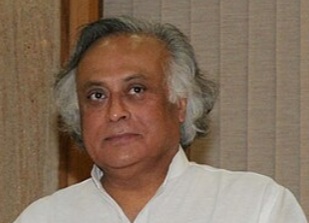
New Delhi, Oct 7 (UNI) Congress general secretary in-charge communications Jairam Ramesh on Wednesday accused Prime Minister Narendra Modi, union Home Minister Amit Shah and the Election Commission of India of being "nervous, rattled and desperate" over Leader of the Opposition in the Lok Sabha Rahul Gandhi's sustained campaign against alleged irregularities in electoral rolls and the Special Intensive Revision (SIR) of voters.
In a post on X, Ramesh alleged that Gandhi had for nearly two years been "relentlessly exposing, through factual evidence, the Vote Chori conspiracy" which, he claimed, had been "hatched between the PM & the HM on one side and the CEC on the other". Ramesh alleged that "crores of genuine voters" had been deprived of their constitutional right to vote through what he described as the "atrocious process of SIR", which he sought to rechristen "Shahenshah Instigated Removal".
He also attacked the Delhi Police for registering an FIR against Gandhi and other Opposition leaders in connection with their protest against the Election Commission. "And when the LOP-LS adopts the method of satyagraha to highlight the injustices of SIR, the Delhi Police registers an FIR against him and other leaders," Ramesh said. "The diabolical duo is nervous, rattled and desperate. The writing on the wall is clear," he added, without spelling out the political outcome he believed was imminent.
Ramesh's latest attack came as the confrontation between the Congress-led Opposition and the Election Commission over SIR continued to intensify, with Opposition parties alleging that the exercise could lead to the exclusion of large numbers of legitimate voters from electoral rolls. The Congress and other INDIA bloc parties have repeatedly demanded greater transparency in the revision process, restoration of eligible voters whose names have been deleted and stronger safeguards against wrongful exclusions.
The Election Commission, however, has maintained that SIR is intended to ensure the integrity and accuracy of electoral rolls and has defended the constitutional and statutory basis of the exercise. The poll panel has rejected allegations of political motivation and maintained that eligible voters have opportunities to file claims and objections under the prescribed procedure.
The dispute has increasingly moved beyond Parliament and formal electoral proceedings to the streets, with Gandhi and other INDIA bloc leaders mounting protests against the Election Commission's handling of the electoral rolls. The Opposition has sought to turn the controversy into a wider political campaign centred on what it describes as the protection of voting rights and the credibility of the electoral process.
The Congress has been particularly critical of Chief Election Commissioner Gyanesh Kumar, accusing the poll panel of failing to adequately address concerns over voter deletions and the mechanisms being used in the revision of electoral rolls. The Election Commission has repeatedly rejected the allegations and asserted that its decisions are taken institutionally and in accordance with the law.
The latest exchange is set to further sharpen the political battle over SIR, with the Congress portraying the revision exercise as a test of democratic and constitutional safeguards, while the Election Commission insists that maintaining clean, accurate and credible electoral rolls is part of its constitutional responsibility. The increasingly bitter confrontation has also brought the credibility of the electoral process and the right of eligible citizens to remain on the voters' list to the centre of the Opposition's political campaign.
UNI SKA NST RSA


