


Cabinet extends social security scheme for 5 years, eases disability pension eligibility
New Delhi, Oct 14 (UNI) The union Cabinet on Wednesday approved the continuation of the National Social Assistance Programme (NSAP) for five years, from 2026-27 to 2030-31, with an outlay of Rs 53,428 crore, introducing changes to disability pension eligibility and renaming the programme and its component schemes.
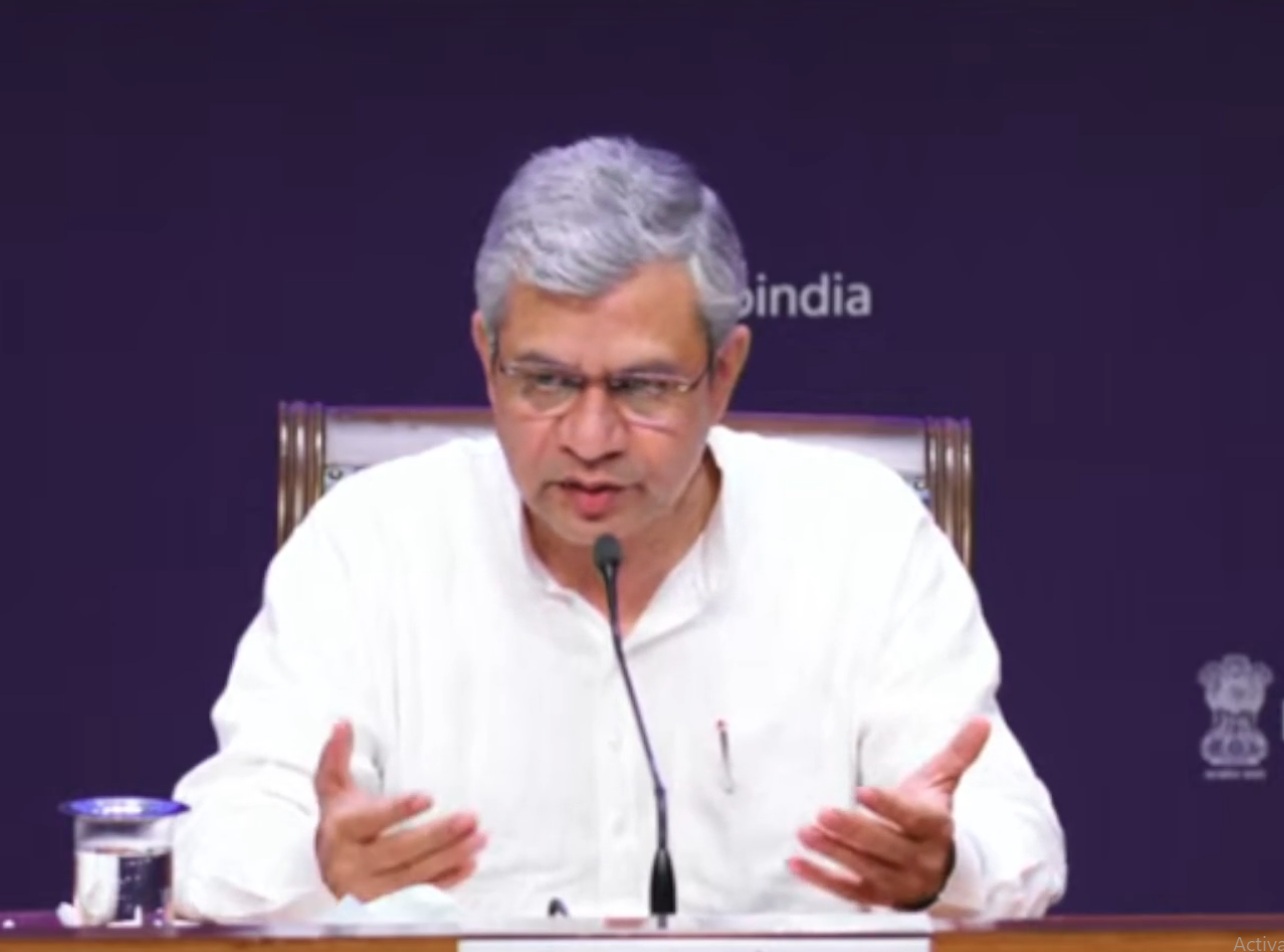
The programme is expected to benefit around 3.20 crore people across all 36 States and union Territories. Announcing the decision after the Cabinet meeting, Information and Broadcasting Minister Ashwini Vaishnaw said the programme would continue to provide social security assistance to vulnerable sections, including the elderly, widows, persons with disabilities and families facing financial hardship following the death of a primary breadwinner.
The most significant change concerns the disability pension scheme, under which the eligibility threshold for benchmark disability has been reduced from 80 per cent to 40 per cent. The minimum age criterion has also been removed, allowing eligible persons with disabilities to receive assistance from birth, subject to the revised guidelines. Monthly assistance has been fixed at Rs 375 for beneficiaries up to 79 years of age and Rs 625 for those aged 80 years and above.
The Cabinet also approved a series of name changes. The National Social Assistance Programme will be renamed the Pradhan Mantri Samajik Sahayata Yojana; the Indira Gandhi National Old Age Pension Scheme will become the Pradhan Mantri Vridhavastha Pension Yojana; and the Indira Gandhi National Widow Pension Scheme will be renamed the Pradhan Mantri Vidhawa Pension Yojana.
The Indira Gandhi National Disability Pension Scheme will become the Pradhan Mantri Divyangjan Pension Yojana, while the National Family Benefit Scheme will be renamed the Pradhan Mantri Parivar Labh Yojana. The existing pension schemes for the elderly and widows, along with the National Family Benefit Scheme, will continue in their present form. The principal policy changes relate to disability pensions, particularly eligibility, coverage and the level of assistance.
The Department of Rural Development will issue revised guidelines specifying eligibility conditions, the number of beneficiaries and assistance rates under the disability pension scheme. The changes are to be implemented within three months. Launched on August 15, 1995, the NSAP provides social security assistance to poor households in keeping with the Directive Principles of State Policy, particularly Article 41 of the Constitution.
The provision envisages public assistance in cases of unemployment, old age, sickness and disability, as well as other instances of undeserved want, within the limits of the country's economic capacity and development. The programme was designed to ensure uniform central assistance for eligible beneficiaries across the country, with the Centre bearing 100 per cent of the assistance provided under it. Its continuation for another five years is intended to sustain support for vulnerable households while widening access to disability pensions.
The revision of disability pension eligibility also aligns the scheme with the Rights of Persons with Disabilities Act, 2016, which recognises a benchmark disability threshold of 40 per cent. The legislation also provides for disability-related assistance to be at least 25 per cent higher than assistance under comparable schemes for other categories. The revised eligibility framework is expected to bring more persons with disabilities within the programme's ambit.
UNI SKA RSA


