


India at 'Inflection Point', must rethink growth strategy for AI era: CEA
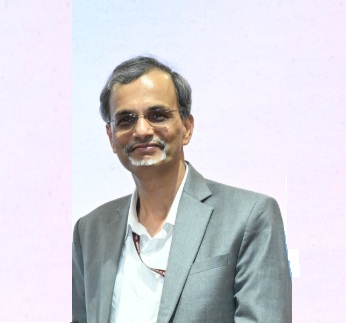
New Delhi, Sep 16 (UNI) India is at a critical "inflection point" and will need to reassess some of the policies and approaches that have supported its economic growth over the past several decades, Chief Economic Adviser Anantha Nageswaran said.
Nageswaran said the country is going through a period of significant economic and technological change. He argued that policies and institutions that worked well in the decades since Independence may not be sufficient to address the challenges and opportunities of the next 25 years. "We need to raise our game in multiple respects," Nageswaran said, underlining the need for India to adapt its development strategy to a rapidly changing global economy.
"The emergence of artificial intelligence makes it particularly important for India to develop a growth model suited to its large workforce. Rather than simply replicating the capital-intensive approach followed by advanced economies, India should look at ways of deploying AI to increase worker productivity," he added. He stressed that AI should be used to complement human labour instead of displacing workers.
For a labour-abundant economy such as India, he said, technology adoption needs to be aligned with the country's employment requirements. The CEA also called on young Indians to broaden their approach towards careers and skills. With AI expected to reshape several areas of employment, he said vocational and trade-based skills could become increasingly important alongside conventional academic education.
Nageswaran also urged the private sector to play a bigger role in the next phase of India's economic development. "Businesses need to step up investment, create jobs, offer fair compensation, and increase spending on research and development. The coming two decades could look substantially different from the economic environment that prevailed after World War II, making it important for Indian companies to prepare for structural changes rather than rely on past models," he said. Despite geopolitical uncertainties and elevated crude oil prices, Nageswaran expressed confidence in the resilience of the Indian economy.
He pointed to robust bank credit growth, strong tax collections and relatively healthy balance sheets across the corporate and banking sectors as signs of underlying economic strength. India's economy expanded 7.8 per cent year-on-year in the April-June quarter, providing further support to the government's assessment of domestic economic momentum.


